Liveaboard vs Fuvahmulah: Where the Maldives' Big-Animal Diving Actually Is
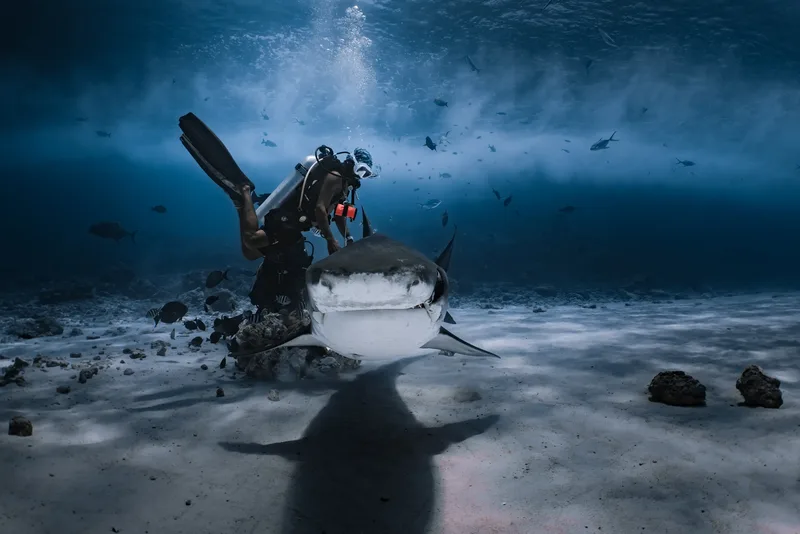
The Maldives liveaboard vs local island question deserves an honest answer up front: a liveaboard shows you many reefs; Fuvahmulah shows you its biggest resident — the tiger shark — every single day.
Liveaboard vs Fuvahmulah: Where the Maldives' Big-Animal Diving Actually Is
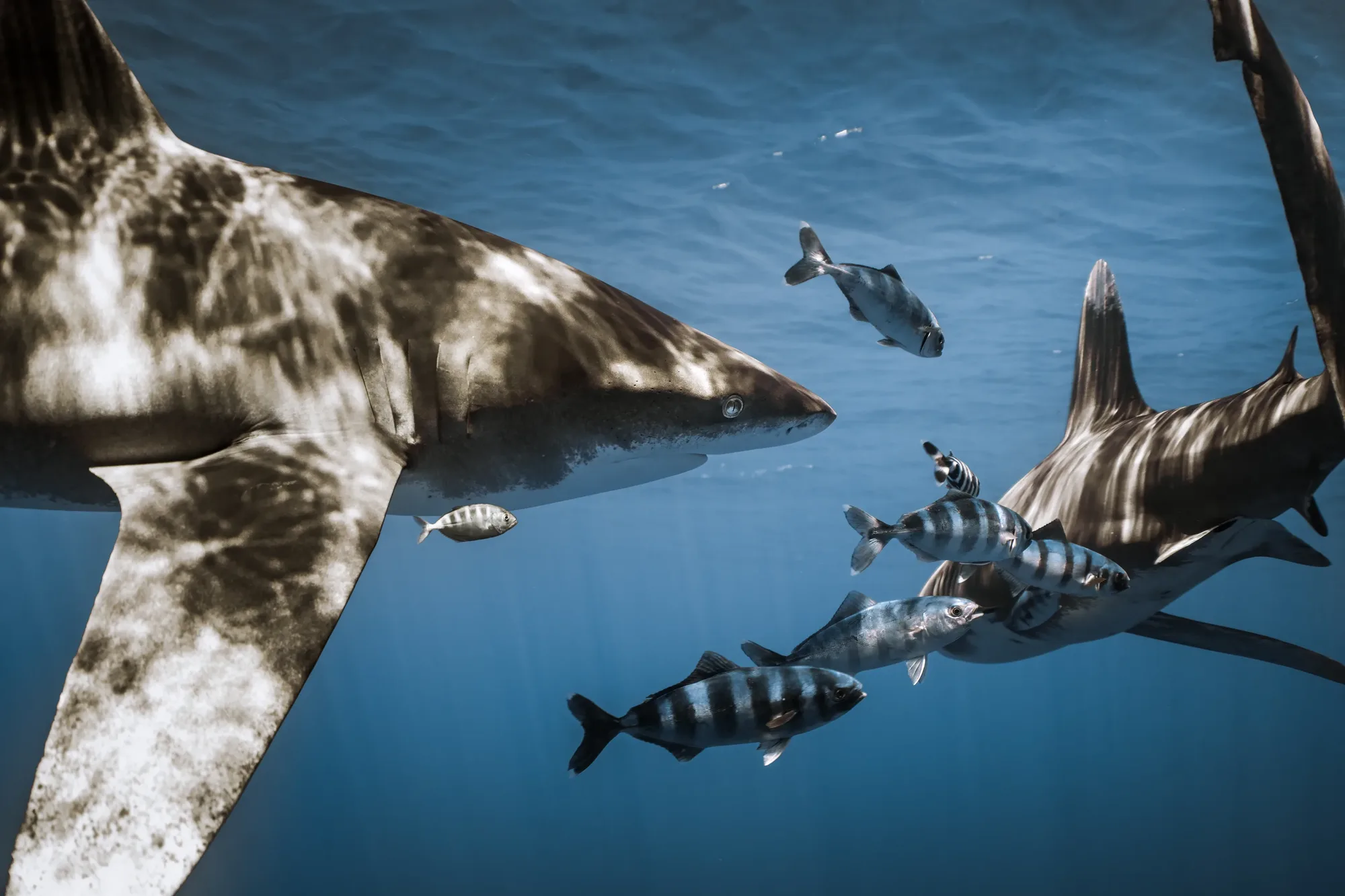
The Maldives liveaboard vs local island question deserves an honest answer up front: a liveaboard shows you many reefs; Fuvahmulah shows you its biggest resident — the tiger shark — every single day. A liveaboard is the right call if your dream is variety — twenty sites across three atolls in a week. If your dream is sharks — tiger sharks guaranteed-level daily, regular dawn threshers, hammerheads in season — one island in the deep south quietly outperforms the entire boat itinerary, usually at a lower price.
We say this as people who love liveaboards and have spent real weeks on them. This isn't a takedown; it's the comparison we wish someone had written when we were planning our own first Maldives trips.
What a liveaboard is genuinely great at
Let's give the boats their due, because they've earned it:
Coverage. Male'-area, Ari, Vaavu, the channels — a good week aboard touches more of the Maldives than most divers see in five land trips. If you want the country, take the boat.
Rhythm. Eat, dive, sleep, repeat, with your gear handled and the next site always arriving. There's a monastic simplicity to it that divers adore.
Remote sites. Some channels and thilas simply can't be dived from land. If a specific far-flung site is your dream, a liveaboard is the only door.
If that's your trip — genuinely, enjoy it. Now here's what the brochure version leaves out.
What the brochure leaves out
The lottery factor. Maldivian channel diving is current-timed, tide-dependent, and honest crews will tell you: the big stuff is hoped for, not scheduled. You drift the channel because sharks are often there. Often. The difference between "often" and "every day" is the difference between a good trip and the trip you actually came for.
The lost days. A 7-night itinerary includes crossings, check dives, and the no-fly buffer. Your "7 days of diving" is usually 5–5.5.
The real price. The headline rate is rarely the final one: marine park fees, port fees, gear rental, nitrox, crew tips (expected, fairly), alcohol, transfers. Most mid-range boats land at $2,500–4,000+ per person all-in before international flights. (Here's our full cost math for comparison.)
The confinement. Loved the boat, loved the diving — but by day five, some part of every guest would trade a cabin dinner for a walk, a café, a conversation with someone who lives where you are. A boat visits the Maldives; it can't introduce you to it.
The Fuvahmulah counter-offer
Fuvahmulah is one island doing one thing at world-class depth instead of many things briefly:
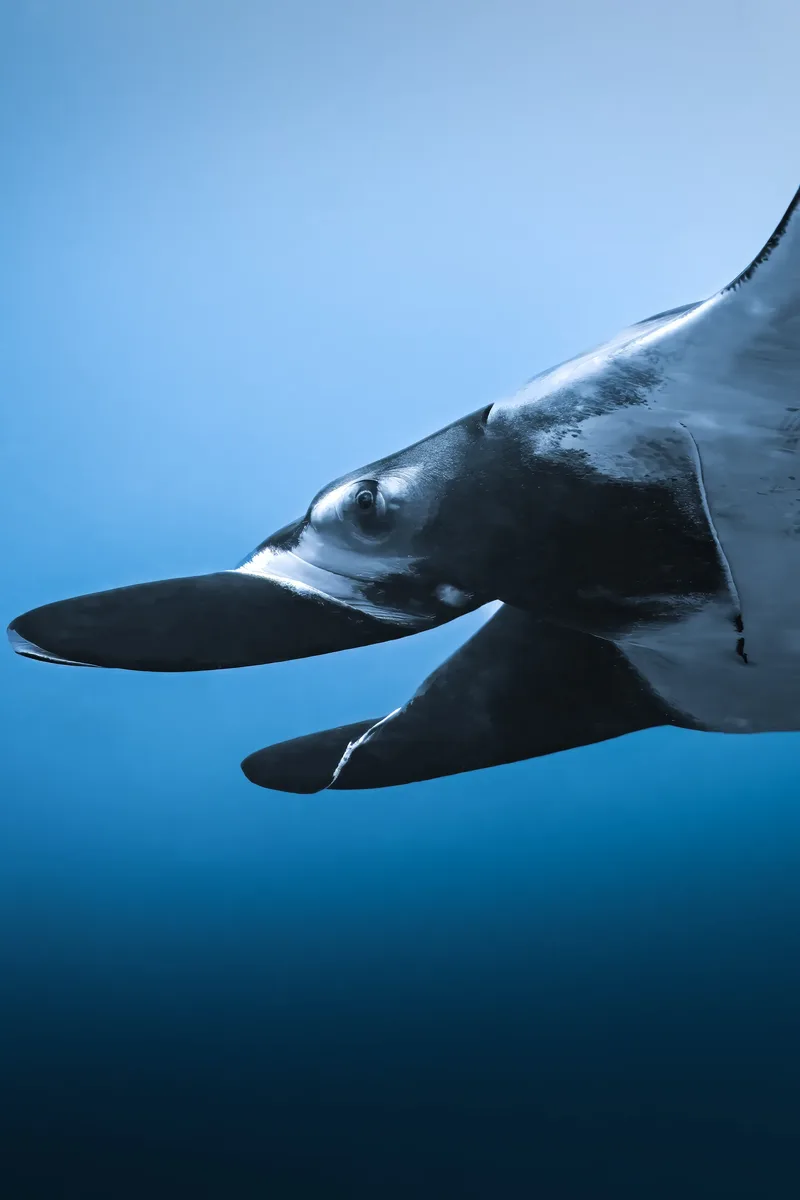
Certainty where liveaboards offer odds. Tiger sharks at Tiger Harbour on effectively every dive, all year — five minutes from the harbor. No crossing, no tide window, no "fingers crossed." Add the chance of dawn threshers, seasonal hammerhead schools and spring's oceanic mantas, per the calendar, and the week's tiger-anchored floor is higher than most liveaboards' best-case ceiling — for big animals, specifically.
Every night on land. Real bed, real showers, cafés, island life, and legs that get to walk. Non-diving partners have an actual island instead of a sundeck. Rough day? You're home in minutes, not mid-crossing.
All-in pricing that's genuinely all-in. Our dive & stay packages — 7 nights, 15 dives, hotel, transfers AND domestic flights — run $1,830–2,655 per person. That's the entire structure, typically 30–50% under a comparable liveaboard week, with zero surprise line items.
Depth over breadth. You won't see six atolls. You'll know one extraordinary island — its walls, its dawn ritual, its individual sharks by name — the way a week of drive-by sites can never be known. Divers leave liveaboards with a site list. They leave Fuvahmulah with a relationship.
The honest decision guide
Choose the liveaboard if: you want maximum site variety, you've done land-based Maldives already, a specific remote route calls you, or the boat rhythm itself is the holiday.
Choose Fuvahmulah if: sharks and big animals are the point; you want daily certainty instead of drift-and-hope; you're a photographer who needs repeatable access to the same subjects; you dive with a non-diving partner; or your budget prefers one honest number.
The connoisseur's answer: plenty of our guests do both in one trip — a liveaboard week north, then flights south to us to end with the tigers. If you're flying this far, it's the best of both arguments.
FAQ
Is a liveaboard or local island better for diving in the Maldives? For variety: liveaboard. For tiger-anchored big-animal reliability, cost transparency and actually experiencing Maldivian island life: a deep-south local island. Fuvahmulah is the strongest version of that second case — it's the only place in the country with daily year-round tiger sharks.
Is Fuvahmulah cheaper than a liveaboard? Usually significantly — packages from $1,250 (5 nights) and $1,830 (7 nights) per person including domestic flights, stay and 3 dives/day, versus $2,500–4,000+ all-in for comparable boats.
Do I lose dive volume on land? No — 3 dives a day here (dawn specialty, tiger dive, wall/reef) matches a liveaboard's realistic daily rhythm, without the crossing days.
Can beginners do Fuvahmulah, or is it "advanced only" like some liveaboard routes? The tiger dive itself is shallow and structured — Open Water is technically enough, full requirements here. Deeper sites want AOWD, which you can complete with us mid-trip.
Torn between the two? Tell us what you're dreaming of — if a liveaboard genuinely fits your goals better, we'll say so and point you north. Sharks? We'll hold you a spot in the deep south. Talk it through with us →
Liquid Shark Divers is Fuvahmulah’s premium shark diving center and creative dive hub — small groups, uncompromising safety standards, and encounters that change how people see sharks. Meet the team →